Tag: academic research

  • NVivo vs MAXQDA vs ATLAS.ti, qualitative analysis software, QDA software comparison, qualitative research tools, 2026 software review

    NVivo vs MAXQDA vs ATLAS.ti: Qualitative Analysis Software Comparison 2026

    NVivo vs MAXQDA vs ATLAS.ti: 2026 Comparison

    The Ultimate Guide to Choosing the Right Qualitative Data Analysis Software for Your Research

    3 Leading Software
    25+ Features Compared
    100% Unbiased Review

    The Qualitative Researcher’s Challenge

    Choosing the right software can transform your research—or complicate it
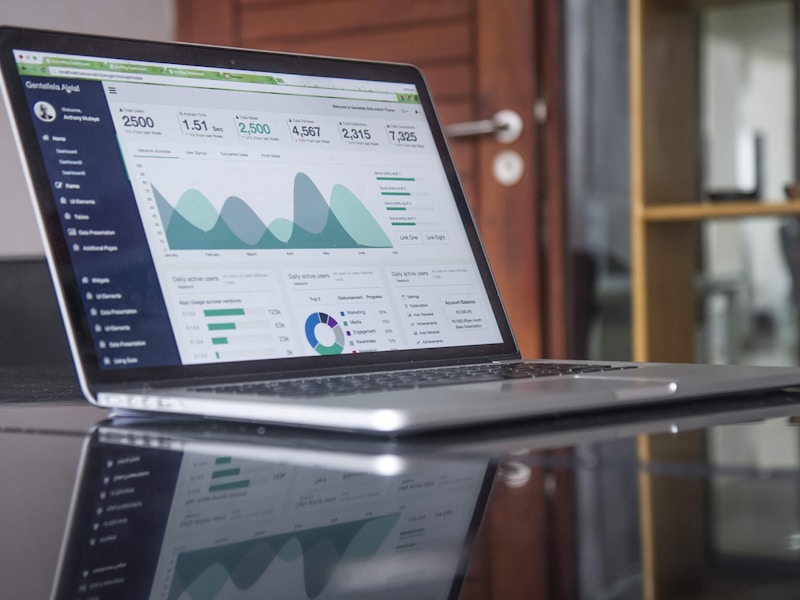
    Qualitative data analysis and research visualization

    You’ve spent months collecting rich qualitative data—interview transcripts, focus groups, field notes, social media content. Now comes the critical question: How do you analyze all this data efficiently and rigorously?

    Manual coding is time-consuming and error-prone. That’s where qualitative data analysis (QDA) software becomes essential. But with three industry leaders—NVivo, MAXQDA, and ATLAS.ti—making the right choice feels overwhelming.

    • Understand each software’s unique strengths and limitations
    • Match features to your research methodology
    • Make an informed decision based on real-world performance
    • Avoid costly mistakes and wasted time

    Meet the Big Three

    Comprehensive overview of each qualitative analysis platform

    📊

    NVivo

    The industry standard for qualitative research. Powerful, comprehensive, and trusted by universities worldwide. Best for complex, large-scale projects.

    • Most comprehensive feature set
    • Excellent for mixed methods
    • Strong team collaboration
    • Advanced visualization tools
    • Handles massive datasets
    🔍

    MAXQDA

    The versatile all-rounder. Intuitive interface with powerful mixed-methods capabilities. Perfect balance of power and usability.

    • Most user-friendly interface
    • Best for mixed methods research
    • Excellent multimedia support
    • Strong quantitative integration
    • Affordable pricing
    🎯

    ATLAS.ti

    The visual thinker’s choice. Modern interface with powerful AI-assisted coding. Ideal for theory building and visual analysis.

    • Best visualization capabilities
    • AI-powered auto-coding
    • Intuitive network views
    • Cloud-based collaboration
    • Modern, sleek interface

    Head-to-Head Comparison

    Detailed feature-by-feature analysis

    Feature NVivo MAXQDA ATLAS.ti
    Ease of Use ⭐⭐⭐ ⭐⭐⭐⭐⭐ ⭐⭐⭐⭐
    Learning Curve Steep Moderate Moderate
    Price $$$$ $$$ $$$
    Team Collaboration Excellent Good Excellent
    Mixed Methods Excellent Best Good
    AI Features Basic Moderate Advanced
    Visualization Excellent Good Best
    Best For Large Projects Versatility Theory Building

    When to Choose Each Software?

    Practical guidance based on your research needs

    🎯 Choose NVivo When:

    • Working on large-scale, complex research projects
    • Need advanced team collaboration features
    • Handling massive datasets (1000+ documents)
    • Require comprehensive mixed-methods analysis
    • University or institutional license available
    • Need extensive data visualization options

    NVivo qualitative analysis software interface
    MAXQDA mixed methods research interface

    🎯 Choose MAXQDA When:

    • You’re new to qualitative analysis software
    • Combining qualitative and quantitative data
    • Working with multimedia (audio, video, images)
    • Need excellent value for money
    • Prefer intuitive, user-friendly interface
    • Conducting survey research with open-ended questions

    🎯 Choose ATLAS.ti When:

    • Building grounded theory or conceptual frameworks
    • Visual thinking is important to your process
    • Want AI-assisted coding and analysis
    • Need cloud-based collaboration
    • Prefer modern, sleek interface design
    • Working on theory development projects
    ATLAS.ti network visualization and theory building

    Pricing & Licensing

    Understanding the cost implications

    💰

    NVivo Pricing

    $99-$999/year

    • Student: ~$99/year
    • Pro: ~$499/year
    • Team: ~$999/year
    • Institutional licenses available
    • Free trial: 14 days
    💰

    MAXQDA Pricing

    $89-$599/year

    • Student: ~$89/year
    • Standard: ~$299/year
    • Pro: ~$599/year
    • Best value for features
    • Free trial: 30 days
    💰

    ATLAS.ti Pricing

    $99-$699/year

    • Student: ~$99/year
    • Standard: ~$299/year
    • Pro: ~$699/year
    • Cloud collaboration included
    • Free trial: 14 days

    Common Mistakes to Avoid

    Learn from other researchers’ experiences

    ⚠️

    Choosing Based Only on Price

    The cheapest option might lack critical features you need. Consider your specific research requirements before deciding.

    ⚠️

    Ignoring the Learning Curve

    NVivo is powerful but complex. If you have limited time, MAXQDA’s intuitive interface might be more practical.

    ⚠️

    Not Testing Before Buying

    All three offer free trials. Test them with your actual data before committing to a purchase.

    Need Expert Guidance?

    Get personalized help choosing and mastering your qualitative analysis software

    Don’t let software selection delay your research. Our experts have helped 500+ researchers choose the right tools and complete their qualitative analysis efficiently.

    Final Verdict

    Making your decision

    • 📊 NVivo = Best for large, complex projects; institutional support; comprehensive features
    • 🔍 MAXQDA = Best for mixed methods; user-friendly; excellent value for money
    • 🎯 ATLAS.ti = Best for theory building; visual analysis; AI-assisted coding

    “The best software is the one that fits your research methodology, not the most popular one.”

  • SPSS vs SmartPLS vs AMOS, statistical software comparison, research methods, SEM analysis, PLS-SEM, quantitative research

    SPSS vs SmartPLS vs AMOS: Complete Guide for Researchers | Statistical Software Comparison

    When to Use SPSS vs SmartPLS vs AMOS?

    A Complete Guide for Researchers Choosing the Right Statistical Software for Their Study

    3 Software Compared
    15+ Key Differences
    100% Practical Guide

    The Researcher’s Dilemma

    Choosing the right statistical software can make or break your research project

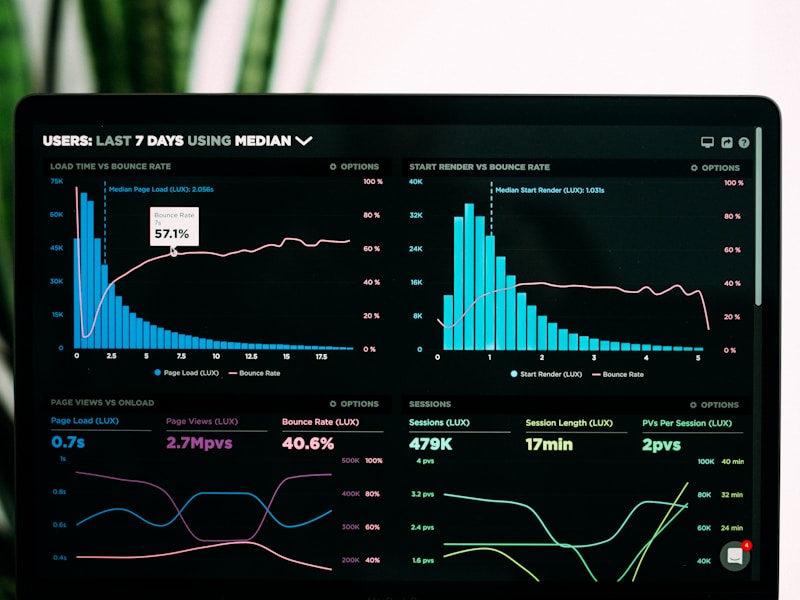
    Data analysis and statistical research visualization

    Picture this: You’ve spent months designing your research, collecting data, and now you’re staring at your dataset wondering—which software should I use?

    You’re not alone. Every researcher faces this critical decision. SPSS, SmartPLS, and AMOS each have their strengths, but using the wrong one can lead to methodological errors, rejected papers, or wasted months of work.

    • Understand the fundamental differences between each software
    • Match your research design with the right tool
    • Avoid common statistical mistakes
    • Save time and increase publication success

    Understanding Each Software

    Deep dive into SPSS, SmartPLS, and AMOS capabilities

    📊

    SPSS (Statistical Package)

    The classic choice for traditional statistical analysis. Perfect for descriptive statistics, t-tests, ANOVA, regression, and factor analysis.

    • User-friendly interface
    • Great for beginners
    • Extensive statistical tests
    • Excellent for survey data
    • Strong data management
    🔗

    SmartPLS (PLS-SEM)

    Specialized for Partial Least Squares Structural Equation Modeling. Ideal for predictive research, complex models, and small sample sizes.

    • Prediction-focused
    • Works with small samples
    • Handles complex models
    • No normality requirement
    • Modern SEM approach
    📐

    AMOS (CB-SEM)

    Covariance-Based SEM for theory testing and confirmation. Best for established theories and large sample sizes with normal distribution.

    • Theory confirmation
    • Model fit assessment
    • Large sample required
    • CB-SEM gold standard
    • Academic publication preferred

    When to Use Each Software?

    Practical decision guide based on your research characteristics

    🎯 Choose SPSS When:

    • You need basic statistical tests (t-test, ANOVA, correlation)
    • Your research is descriptive or exploratory
    • You’re working with survey data
    • Sample size is moderate to large
    • You need quick, straightforward analysis
    • Your field prefers traditional statistics
    SPSS statistical analysis software interface
    SmartPLS structural equation modeling

    🎯 Choose SmartPLS When:

    • Your goal is prediction, not theory testing
    • Sample size is small (under 100)
    • Data doesn’t follow normal distribution
    • You have complex models with many variables
    • Exploratory research or new theory development
    • Business, marketing, or management research

    🎯 Choose AMOS When:

    • Testing and confirming established theories
    • Large sample size (200+ recommended)
    • Data meets normality assumptions
    • You need comprehensive model fit indices
    • Confirmatory research design
    • Psychology, education, social sciences
    AMOS covariance-based SEM analysis

    Quick Comparison Table

    Side-by-side comparison at a glance

    Feature SPSS SmartPLS AMOS
    Primary Use Traditional Statistics PLS-SEM CB-SEM
    Sample Size Medium-Large Small-Medium Large (200+)
    Data Distribution Normal preferred Any distribution Must be normal
    Research Goal Description Prediction Theory Testing
    Learning Curve Easy Moderate Moderate-Hard
    Best For Beginners Business Research Academic Research

    Common Mistakes to Avoid

    Learn from other researchers’ errors

    ⚠️

    Using AMOS with Small Samples

    AMOS requires large samples for stable estimates. Using it with n<100 often leads to convergence problems and unreliable results.

    ⚠️

    Choosing SmartPLS for Theory Testing

    SmartPLS is prediction-focused. If you’re testing established theories, reviewers may question your methodological choice.

    ⚠️

    Overcomplicating with SPSS

    Trying to force complex SEM analysis in SPSS when you should use SmartPLS or AMOS. Each tool has its purpose.

    Still Unsure?

    Get personalized expert guidance for your specific research

    Don’t let software confusion delay your research. Our statistical consultants have helped 500+ researchers choose the right tools and complete their studies successfully.

    Key Takeaways

    Your quick decision framework

    • 📊 SPSS = Traditional statistics, surveys, descriptive research, beginners
    • 🔗 SmartPLS = Prediction, small samples, complex models, exploratory research
    • 📐 AMOS = Theory testing, large samples, confirmatory research, academic publications

    “The right tool won’t guarantee success, but the wrong tool can guarantee failure.”